프로젝트 목록으로 돌아가기
AI DevelopmentLiveWeb, iOS, Android
AwareCam: AI-Powered Cloud Video Surveillance
A multi-tenant cloud surveillance suite spanning a Web Dashboard, Super Admin Panel, Mobile companion, an auto-scaling Streaming Orchestrator microservice, and a Cloudflare Worker edge proxy — delivering real-time AI event detection, multi-channel alerting, and on-demand analytics over RTSP and device cameras.
16+
Technologies
11+
Key Features
Web, iOS, Android
Platform
주요 기능
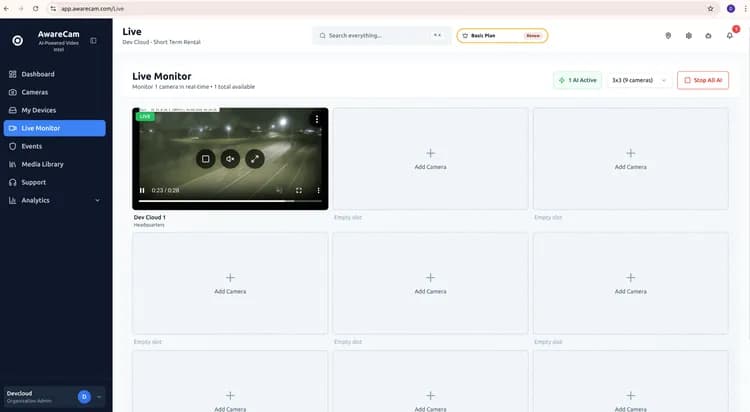
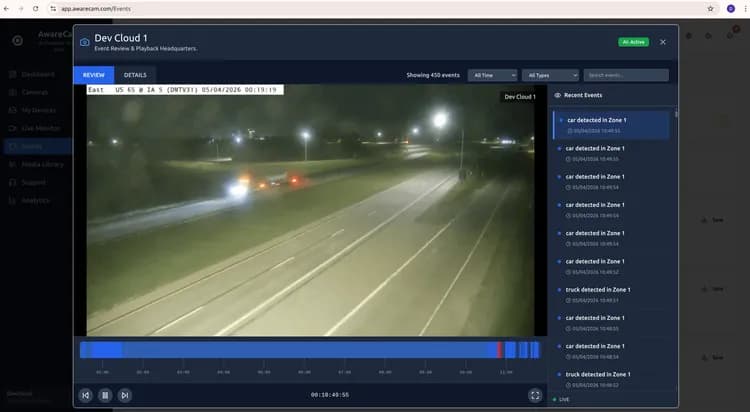
Multi-camera HLS live streaming gridRTSP camera registration and health checksDevice camera streaming via getUserMedia8 AI event detection types with bounding-box annotationPull-based stream lifecycle with TTLAuto-scaling MediaMTX orchestrator
개발 하이라이트
Five-component platform architectureAuto-scaling MediaMTX streaming orchestrator8 AI event types with bounding-box annotationCloudflare Worker edge proxy for low-latency HLSMulti-channel alerting across email, SMS, WhatsApp, Slack, TeamsFive-tier Stripe subscription with camera-limit enforcementEnglish + Hebrew (RTL) internationalization
기술 스택
React 18ViteTailwind CSSRadix UIPythonFastAPIPostgreSQLSupabaseMediaMTXFFmpegCloudflare WorkersDockerStripeTwiliohls.js
우리의 기여
Platform Architecture
Designed the five-component architecture — Web Dashboard, Super Admin Panel, Mobile companion, Streaming Orchestrator microservice, and Cloudflare Worker HLS edge proxy.
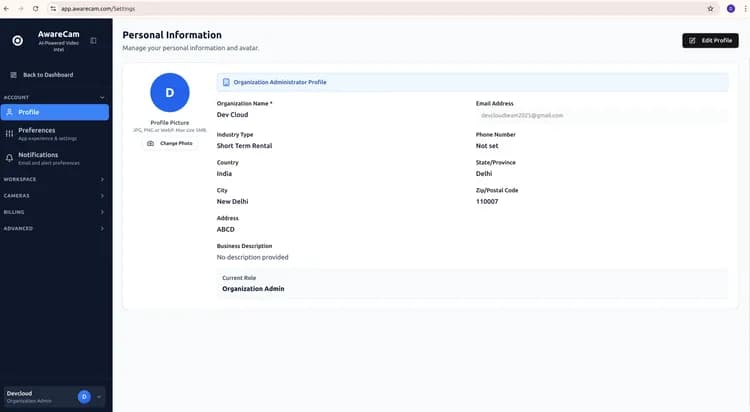
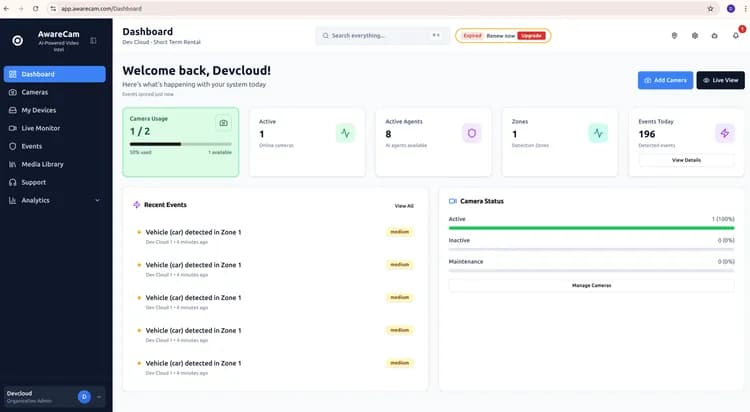
Web Dashboard
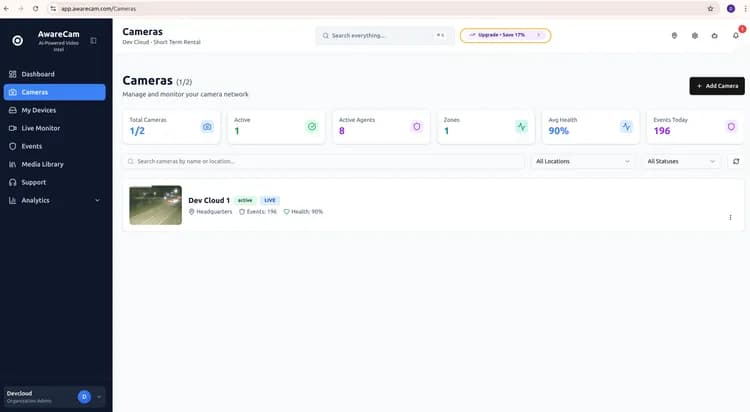
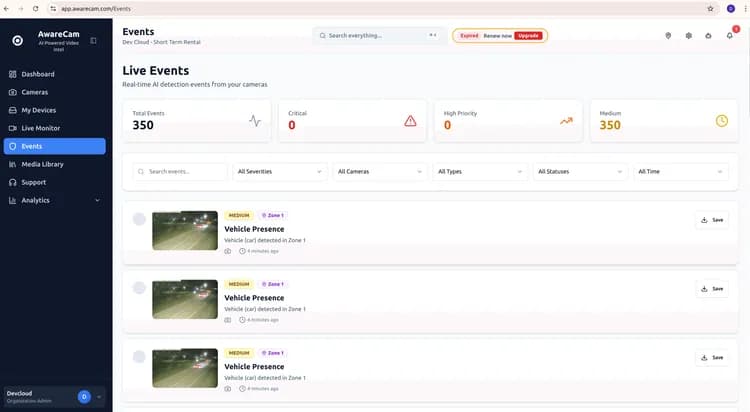
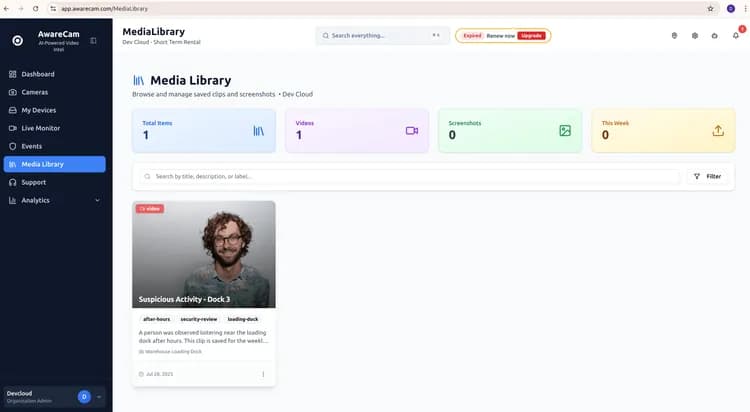
Built the React Web Dashboard with multi-camera live grid (up to 15-camera layouts), pull-based stream lifecycle, low-latency mode, and the AI event polling feed.
Camera Management
Implemented camera registration for RTSP/IP cameras with FPS control, zone definitions, health monitoring, and RTSP URL caching for faster stream startup.
Streaming Orchestrator
Engineered the Streaming Orchestrator FastAPI microservice with MediaMTX lifecycle management, auto-scaling DigitalOcean droplet provisioning, buffer pools, and stream rebalancing.
Edge Proxy
Shipped the Cloudflare Worker edge proxy for HLS playlist and segment caching with proper CORS for cross-origin browser playback.
AI Event Detection
Delivered all 8 AI event types (person, loitering, intrusion, motion, vehicle, PPE, safety, zone activity) with bounding-box snapshot annotation and severity scoring.
Alerting System
Built the multi-channel alerting system across email, SMS, WhatsApp via Twilio, plus Slack, Teams, Zapier, Make.com, and n8n webhook integrations.
Subscription Billing
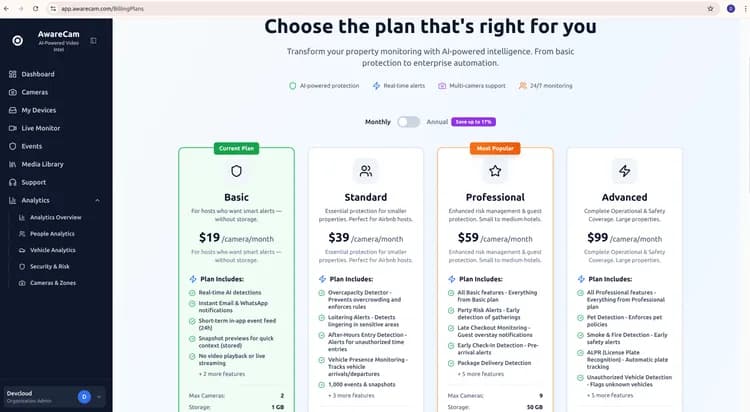
Implemented the Stripe subscription engine — five plan tiers, hosted checkout, billing portal, webhooks, trial management, and camera-limit enforcement with upsell prompts.
Analytics Suite
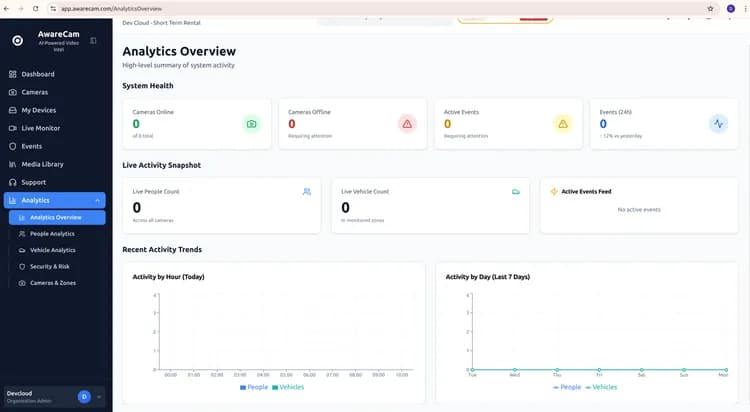
Created the analytics suite covering people, vehicle, security risk assessment, camera and zone metrics, with on-demand report generation.
Mobile Companion
Delivered the mobile companion experience — getUserMedia device camera streaming, QR code pairing, mobile-optimized live grid, and on-site alert triage.
Internationalization
Added internationalization with English and Hebrew including full RTL layout support across the customer-facing surfaces.
결과
Platform Components: Five-component cloud surveillance suiteAI Detection: 8 event types at real-time scaleStreaming: Auto-scaling infrastructure with edge cachingAlerting: Multi-channel instant alerting across 5+ channels
이 프로젝트의 특별한 점
A complete cloud surveillance pipeline from RTSP camera ingest to multi-channel alerts, with real-time AI event detection, auto-scaling streaming infrastructure, and edge-cached low-latency playback.